

UAE Dress Code 2026: Complete Guide on What to Wear in Dubai for Men & Women
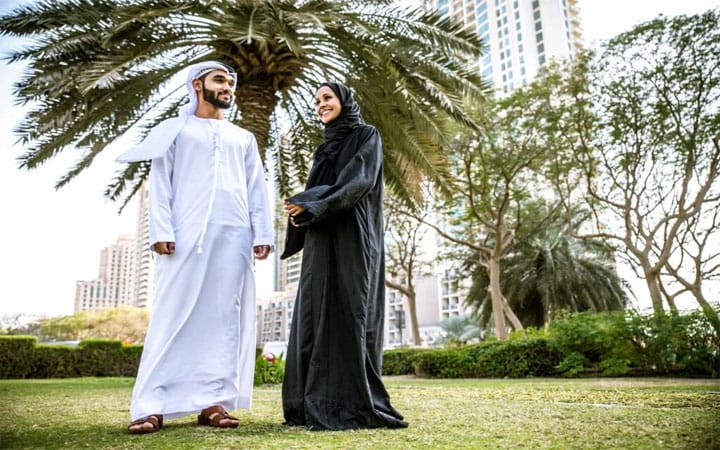
Visiting or moving to the UAE whether it be the contemporary glamour of Dubai or the traditional aspects of Sharjah constitutes both an experience with tradition and modernity. It is important to understand that the dress code in UAE for expatriates and foreigners is based upon cultural values, Islamic principles and respect for one another.
Visitors and expatriates quickly learn that there is a stark contrast between global luxury and local modesty, particularly with respect to appropriate dressing. In this guide, we are going to explain everything needed to adhere to the UAE dress code and remain fashionable.
Quick review of the article’s key points:
- The UAE’s dress code is shaped by cultural values and Islamic traditions, so visitors and expats are encouraged to dress modestly out of respect for local customs.
- While Dubai embraces a modern, international lifestyle, it still expects people to balance fashionable choices with local standards of modesty.
- With the UAE’s extremely hot and dry weather, especially in summer, lightweight and breathable clothing is both practical and necessary.
- In most public places such as malls, government buildings, and family areas covering your shoulders and knees is considered the norm.
- Dubai may be more relaxed, but emirates like Sharjah and Ajman follow much stricter rules, so it’s important to adjust your clothing accordingly.
- Women are not required to wear an abaya, but choosing modest outfits is recommended, while Emirati women traditionally wear the abaya and shayla.
Understanding the UAE Dress Code & Cultural Background
The dress culture in the UAE is based on Islamic norms which stress being decent, humble, and in harmony with society. Although the UAE is quite modern and very open to visitors from other parts of the globe, their dress needs to be in line with the norms of the country, especially when they are in public domains like shopping malls, mosques, and official government offices. Being decent in their dress is to pay homage to the culture of the UAE since it is expected to cover shoulders and knees. Understanding the UAE cultural customs and traditions not only will help avoid misunderstanding, but also shows a level of cultural sensitivity and appreciation for the country’s heritage.

Islamic Practices and Clothing
The UAE is an Islamic country where modesty is the fundamental cultural and religious value. This does not necessarily mean forbidding specific clothing for non-Muslim; the understanding of respect is the most important.
In general, women should cover their shoulders and knees in public and refrain from wearing clothing that is too tight or see-through. For men, they should avoid being shirtless in public places other than beaches and pools.
Respect the Customs of Emirati Culture
Wearing respectful and modest clothing is not only a legal matter but a matter of respect. Dressing appropriately is a form of politeness and is appreciated by the locals. As a reminder, many malls and public settings have signs instructing visitors to dress modestly.
General Dress Code Rules in the UAE for Tourists & Residents
If you are a tourist visiting the UAE for a short holiday or for a longer term if you are a resident, dressing in a suitable manner is not only a form of good manners, it is also legally and culturally more important than that. The UAE welcomes millions of international visitors every year, and is relatively tolerant, but it is still important to respect modesty in public places.
To better navigate local expectations, it is helpful to understand the Dos and don’ts in UAE culture, which provide practical guidance for tourists and residents on dressing appropriately and respectfully. The UAE is a mixture of tradition and modernity, and understanding this mix will help reduce discomfort and unintentional disrespect. Below are some helpful dos and don’ts to help tourists and residents dress appropriately to meet or exceed local expectations.

Do’s: What you should wear
- Cover should shoulders and knees: This is a basic rule for most public areas such as malls, government buildings, or even around the local neighborhood.
- Wear loose-fitting clothing: Baggy is great, not just because they conform to modesty standards, but is also more tolerable in the heat and humidity of the region.
- Wear breathable fabrics: Cotton and linen are common fabrics best suited for the climate and readily available in local stores.
- Carry a scarf or shawl: especially if you’re a woman who unexpectedly enters a mosque or a more conservative area.
- Dress conservatively in family-oriented locales: Public parks, traditional souks and cultural festivals generally enforce normative dress codes most strictly.
- Observe and adhere to dress codes of establishments: Almost every high-end restaurant, luxury mall, and even theme park has publicly posted dress codes at the entrance – you should follow them.
With regards to the region, not only is Dubai notably more liberal, other emirates such as Sharjah and Ajman have considerably more conservative attire standards.
Don’ts: What to Avoid Wearing
- No sheer or transparent pieces: even layered up over a bathing suit or undergarments. The pieces are public values.
- No mini-skirts and shorts: Forget it, even leave that at home too. It’s frowned upon and you’ll for sure not get in too any public places.
- Don’t Go Shirtless in Public (Men): You’re not allowed a naked torso unless you are at the beach or in a private pool, NOT a public place.
- Don’t Wear Offensive Prints or Graphics: Don’t wear something offensive like a logo, image or sacred concept that offend religion or culture printed on a garment.
- Avoid Skin-Tight Outfits: Don’t be skin-tight with leggings, bodycon dress or tank tops. When leggings and body-con have a longer top on (or dress) is good. Try them in private.
- Don’t Assume Tourist Areas Are Exempt: Even in beach resorts or tourist-heavy zones, modesty still applies when you’re outside designated leisure spots.
These all are to help so your experience in the UAE is a respectful and enjoyable occasion for you and everyone else hopefully it allows you avoid possible fines or being dismissed too from economical or public spaces.
Dress Code in Public Spaces
Public spaces such as shopping malls, government buildings, and markets require a reasonable amount of covering. For example, women in sleeveless tops or short skirts may likely be asked to change or cover up. The same applies to men wearing tank tops or very short shorts.
This expectation becomes even more important during Cultural festivals in UAE, when traditional values are celebrated, and dress codes are more strictly observed. Dressing modestly during such events shows respect for local customs and enhances your cultural experience.
Dress Code for Religious Sites (Mosques & Holy Areas)
While visiting the mosques and religious sites in the UAE, certain dress standards must be adhered to as a sign of respect for the religious practices followed there. Loose, flowing clothing that covers the arms and legs is expected to be worn, and the female gender is expected to wear the headscarf over her hair. Transparent, tight, or revealing clothing is not tolerated, and many mosques do provide the visitor with an abaya or kandura, which needs to be worn.
Dress Code in Government Buildings and Workplaces
The government buildings and workplaces in the UAE require a conservative dress code. Visitors and employees should not wear shorts, sleeveless tops, or anything too casual. Business attire consisting of long trousers, skirts below the knee, and shirts with sleeves is expected. This helps create a respectful atmosphere by adhering to the formal work culture prevalent in the UAE.
Dress Code for Women in the UAE
In the UAE, women are encouraged to wear clothes in public that are not revealing as a matter of respect for local practices. Emirati women wear traditional dressed like the abaya and shayla, while expat women can choose to wear traditional dress while still covering shoulders and knees – especially in the conservative emirates. Choosing clothes that are modest and loose will help one be comfortable and culturally appropriate whether in a mall, mosque or beach resort.
Everyday Clothing Expectations
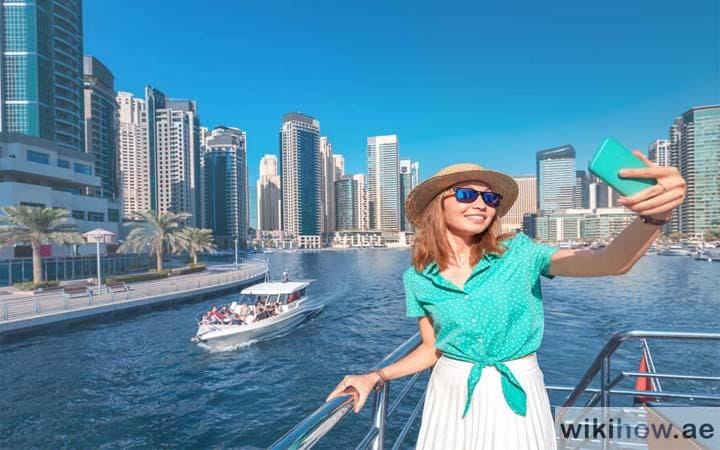
Emirati females are expected to wear the abaya and Shayla. Expatriate females are not expected to wear cultural dress. However, wearing long sleeves and long pants is encouraged especially in more conservative emirates including Sharjah or Ajman.
What Female Expats Commonly Wear
Expat women typically wear tunic tops, maxi dresses or wide-legged pants. A light-weight scarf can be useful if you need to cover up quickly.
Beachwear, Swimwear & Resort Rules
You are permitted to wear a bikini on private beaches and hotel pools, but topless sunbathing is not permitted. When moving from the beach to the hotel lobby, a dress or kaftan should always be worn if not your bathing suit.
Gym, Sportswear, & Activewear Rules for Women
As a woman in the UAE, you are allowed to exercise in modern sports clothing in gyms, fitness centers, or sports facilities that are built according to international standards. For sports clothing to remain acceptable, you should avoid transparent or excessively revealed clothes. To avoid raising eyebrows when leaving or entering the gym, you should use decent clothing such as a long top or a jacket.
Dress Code for Men in the UAE
Although the dress code for men in the UAE may seem less formal compared to women, there are still expectations, and protocols for dress. Typically, men are expected to be neat and modest and not to wear overly casual or revealing clothing in public. Appropriate clothing is what we should be wearing regardless of if we are at work, socializing or in a public space, and being respectful of the culture around us makes more sense. By understanding usual mistakes, and the difference between formal and casual dress, we can both enjoy the comfort of clothing while being respectful of the local culture.

Common Mistakes to Avoid
Men often take dress codes too lightly. Shirtless on the streets, sleeveless gym vests in public spaces, or short shorts are discouraged and at times penalized.
Office Wear Vs Casual Attire
More formal wear is expected for corporate dress codes. Men should wear suits or business shirts and trousers. Casual clothing like jeans and polos are acceptable for social events but should still be modest.
Beachwear & Swimwear Rules for Men
Men can don swimwear like swim trunks or shorts at beaches, swimming pools, or resorts. But swimwear should be restricted to these areas and should not be worn in public areas like streets or malls. While exiting a beach or a swimming pool, men should cover themselves with a T-shirt and shorts.
Traditional Emirati Clothing for Men (Kandura Guide)
The traditional attire worn by males in the UAE includes the kandura, which is a long robe made from white fabric, designed for comfort in the hot climate. It is usually worn with a ghutra or shemagh headscarf, tied with an agal band around the head. The kandura is a symbol of identity, simplicity, and elegance, and it is worn by males on a daily basis.
Dress Code Rules for Specific Places & Situations
In the UAE, the dress code norms are likely to vary based on the place and context, which makes it an important aspect for both tourists and residents. Even though the UAE is an advanced and tourist-friendly country, when walking around public places, one needs to be dressed in modest clothing.
Beaches, Resorts, and Pools
Swimwear is allowed in private beaches, resort hotels, and swimming pools in the UAE. Men and women are allowed to wear standard swimsuits, bikinis, and swim shorts in these designated areas. However, it is not appropriate to wear scanty swimwear outside the beaches and swimming pools. Covering up when accessing public spaces is expected as part of cultural sensitivity.
Malls, Restaurants & Tourist Attractions
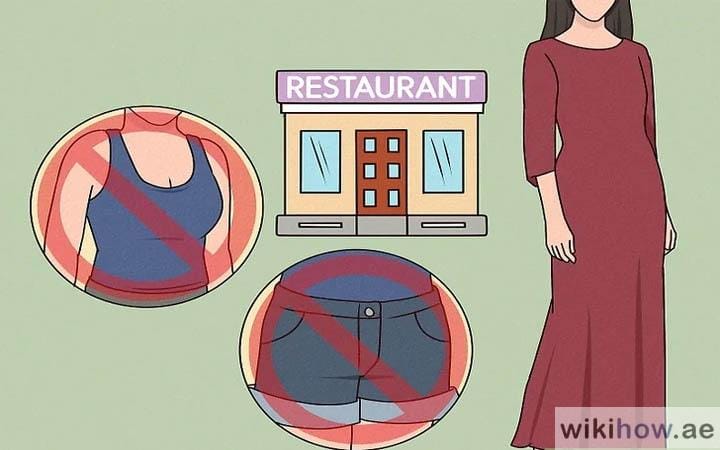
The dress code in malls, eateries, as well as famous tourist sites in the UAE is moderate, given the contemporary culture. It is therefore advisable for tourists not to wear overly revealing clothing like shorts that are too short, tops, or translucent clothing. It is always preferable to wear clothing that covers shoulders and knees and helps tourist seamlessly gain entry into public places.
Desert Safari Dress Code
When it comes to desert safari trips, one should dress accordingly as the climate is hot and sandy activities are performed. One should carry light and cool clothing; it is preferred to have long pants and tops with sleeves to protect oneself from the sun and sand. During activities such as dune bashing, one should wear closed shoes/sneakers. A light jacket can also prove to be helpful.
Visiting a Mosque – Mandatory Rules
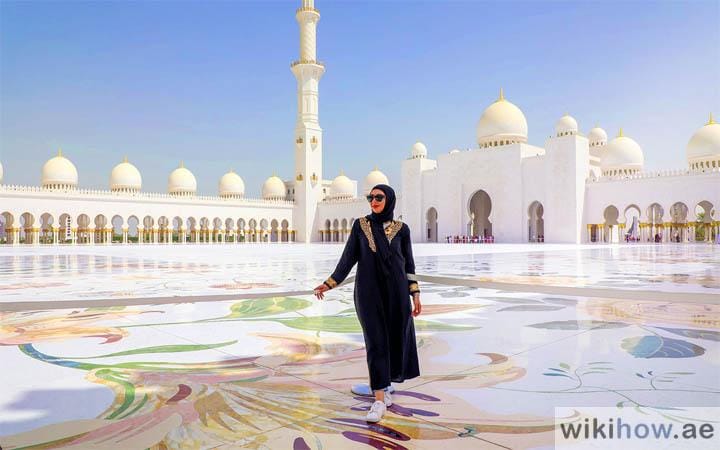
When one visits a mosque in UAE, certain dress codes must be strictly observed. Men and women should wear loose-fitting clothes that cover their arms and legs, and women should wear a headscarf to cover their hair. See through, tight, and provocative clothing should never be worn, and usually, mosques have clothing solutions for those who may not be dressed accordingly. These rules are closely connected to Religious practices in UAE, and following them shows respect for local beliefs, traditions, and places of worship.
Seasonal Clothing Guide: UAE (Summer vs Winter)
A big factor influencing the choice of clothing in the UAE is the climate that the region experiences throughout the year. Summer has high levels of humidity that contribute to the high temperatures. Light clothing that breathes is preferred. Winter is mild. It gets cooler in the evening. Light clothing such as jackets or sweaters would be preferred.
Dressing for Business and Work in UAE
The business attire in the UAE reflects professionalism, modesty, and a well-groomed appearance. Men wear long trousers, collared shirts, or suits, whereas women are expected to opt for modest business wear that covers their shoulders and knees. Observing professional business attire will help in creating a decent impression and must be kept in mind in a professional setting or even in government-related interactions.
Final Thoughts; Dressing Respectfully in UAE
Engaging with the UAE as a tourist or resident and adhering to the dress codes, is a fundamental way to contribute positively to the UAE culture and community. The UAE is a modern, vibrant and welcoming nation, particularly in cities such as Dubai and Abu Dhabi, yet there are aspects of Islamic culture that underline modesty, especially in families and for public display. In wearing appropriate and respectful clothing, you can avoid negative repercussions, such as legal, tourist or social issues, while showing appreciation for the UAE culture.
It is always best to adopt a respectful and modest demeanor when enjoying a resort, working in a corporate office, visiting a mosque or when shopping in a local souk. By being prepared and aware, tourists and residents will be able to reasonably anticipate the expectations concerning dress and appearance, while enjoying what the UAE has to offer each day.
To explore more about the UAE and Life in the UAE including issues such as dress code, local laws, etiquette and tips for daily living and exploring, check out WikiHow it has all the articles and resources to provide comprehensive, step-by-step documentation on navigating life in the UAE; confidently, respectfully and easily. Take not just read, be prepared with practical advice from experts in the UAE.
FAQs
1. Can tourists wear shorts in the UAE?
Yes, tourists can wear shorts, but they should be knee-length, especially in public places like malls and markets. Short shorts are generally discouraged.
2. Do women have to wear an abaya in the UAE?
No, expat and tourist women are not required to wear an abaya. However, modest clothing that covers the shoulders and knees is recommended, particularly in more conservative emirates.
3. Is beachwear allowed outside of the beach?
No, beachwear such as bikinis or swim trunks should only be worn at designated beaches or pools. Always cover up when leaving those areas.
4. What should I wear when visiting a mosque in the UAE?
Women must cover their hair, arms and legs, while men should wear long trousers and sleeves. Many mosques offer appropriate attire for visitors at the entrance.
5. Are leggings acceptable in public areas?
Leggings are generally acceptable in public areas if they are worn with a long top or tunic that covers the hips and thighs. Wearing leggings on their own may be considered too revealing in malls or government places, so modest layering is recommended.
6. Are crop tops allowed in Dubai malls?
Crop tops are not recommended in Dubai malls, as most shopping centers follow a modest dress code. Outfits that expose the midriff may result in being asked to cover up or denied entry to certain venues.
7. Can men go shirtless in public?
Men are not allowed to go shirtless in public areas such as streets, malls, or restaurants. Being shirtless is only acceptable at beaches, pools, and private resort areas, and covering up is required when leaving these locations.


I am not certain where you are getting your information, but good topic. I needs to spend some time studying more or figuring out more. Thanks for fantastic information I was looking for this information for my mission.
We’re very happy to hear that! Your support and kind words truly mean a lot to us thank you for being part of our community!