Education System of UAE: Complete Guide to Dubai & Emirates School Structure (2026)

The education system in UAE has expanded rapidly over the past several decades, journeying from humble beginnings to competitive system on a world stage. Education has become a key part of the UAE’s national strategy, reflecting its commitment to diversifying the economy and developing human capital. With increasing investment in digital learning, international collaboration and developing curriculum, the UAE’s education system is now one of the most developed systems in the Middle East.
In the UAE, education has moved beyond classroom-based learning; it is a strategic element that is designed to empower Emirati youth by fostering innovation and linking with Vision 2030 and the UAE Centennial 2071. This change has happened on the part of government bodies and the private sector, which may interest those who are examining modern change in education.
Quick review of the article’s key points:
- The UAE education sector has developed into one of the most modern in the Middle East.
- Education is free for UAE citizens in public schools.
- The UAE education sector in Dubai is dominated by private international schools.
- More than 90% of UAE students attend private schools.
- The British curriculum is the most sought-after in Dubai.
- KHDA is responsible for rating private schools in Dubai every year.
- The UAE is home to more than 70 universities, including international branch campuses.
- Students apply for a student visa in UAE to pursue international education opportunities.
Overview of the Education System in UAE
The education system in the UAE is a federal system, with the Ministry of Education overseeing the education sector in the country. However, the Emirates, such as Dubai and Abu Dhabi, have their own education departments. Education is free in the UAE for the country’s citizens in the country’s public schools, which is an indication of the country’s strong commitment to the development of human resources.
On the other hand, Dubai’s education sector is dominated by private schools, which offer a wide range of international curricula. This is mainly because of the country’s high number of expatriates, with the majority of expat families enrolling their children in private schools with British, American, IB, Indian, and other international curricula. Moreover, there are many international students who want to study in the country and, therefore, apply for a student visa in UAE.
Structure of the UAE Education System by Stages
The UAE has a well-defined education system that is divided into various stages, and this ensures that a student progresses smoothly from one level to another. The system is structured in a way that ensures a student receives both theoretical and practical knowledge. The UAE education system is structured in a manner that is compatible with international standards and is in sync with cultural and economic values.
Early Childhood Education (Pre-K & Kindergarten)
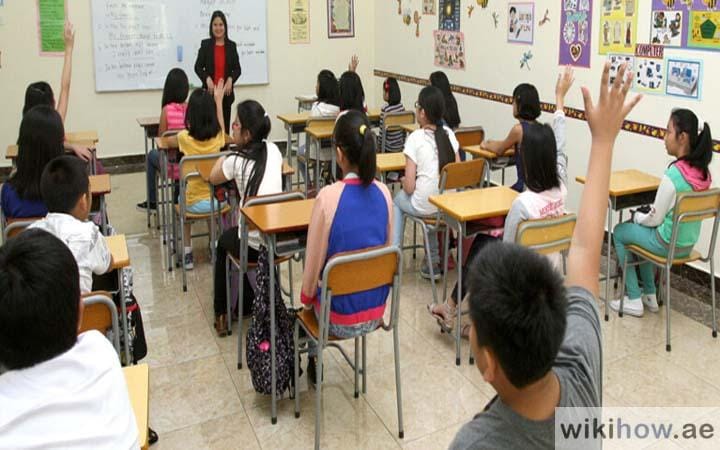
Early Childhood Education in the UAE ranges from 3 to 5 years of age. This level includes Pre-K and Kindergarten (KG1 and KG2). Although kindergarten is not mandatory in all emirates, it is strongly recommended as this is the foundation that prepares children for school. At this level, basic reading and writing, numeracy, and social and emotional development are encouraged through play and interactive methods.
Primary Education (Grades 1–6)
Primary education starts at the age of 6 and goes up to Grade 6. This stage of education is compulsory for all children and lays the foundation for the educational path of a student. The primary education curriculum includes Arabic, English, mathematics, science, and social studies. In government schools, the curriculum is according to the national curriculum, whereas private schools offer international curriculum. The main focus of primary education is to provide students with basic academic skills and to enhance their power of thinking.
Cycle 2؛ Secondary Education (Grades 7-12)
This cycle comprises Grades 7-9, followed by secondary education in Grades 10-12. At this stage, students receive more specialized education. Students have the option to pursue subjects such as science or arts according to their interests. Secondary education is designed to prepare students for university or other courses. Evaluation is quite stringent to ensure that students meet national and international standards.
Technical & Vocational Education (TVET)
Technical and Vocational Education and Training (TVET) is designed for students who prefer skill-based learning. TVET programs specialize in areas like engineering technology, business, hospitality, and sciences. TVET schools in the UAE strive to provide students with the skills required in the job market. TVET is essential in the UAE as it supports the country’s economic vision of economic diversification.
Higher Education (Universities & Colleges)
Higher education in the UAE consists of public and private universities, colleges, and other specialized institutions. Emirati students have access to free or subsidized education in public universities, while private institutions cater to both local and expatriate students. The universities provide undergraduate, postgraduate, and doctoral courses in a variety of subjects. Additionally, most of the universities have collaborations with international universities, which ensures global recognition of degrees and very high standards of education.
Dubai Education System vs Other Emirates
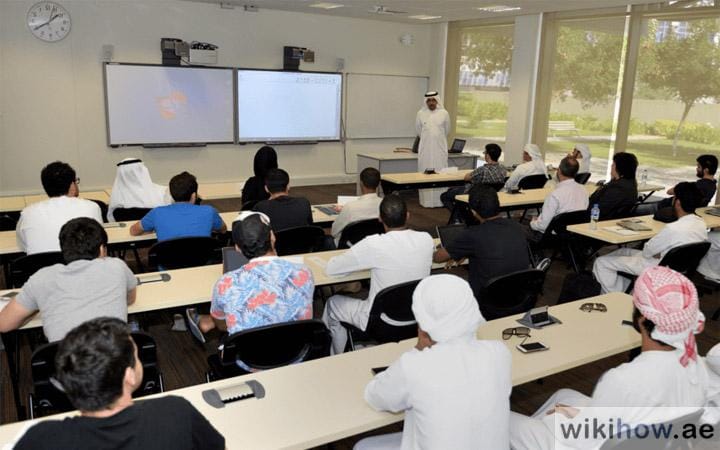
The education system of Dubai differs from other emirates in its highly competitive and private education-focused approach. In contrast to other emirates, where government schools are more prominent, the education scenario of Dubai is dominated by private schools to cater to the city’s large expatriate population. The city boasts one of the highest concentrations of international schools in the region, providing British, American, IB, Indian, and other international curricula.
Another notable distinction of the Dubai education system is the involvement of the Knowledge and Human Development Authority (KHDA), which regulates and inspects private schools through a clear and transparent rating system. This annual rating of schools helps parents make better comparisons and pushes schools to improve their performance, making the education scenario of Dubai more market-oriented and performance-driven compared to other emirates.
Comparing Private and Public Education
In comparing Private and Public Schools in UAE, it has been identified that both sectors cater to different segments of the population. The public education system provides free education and mainly caters to Emirati citizens. The education follows national standards and criteria set by the Ministry of Education. On the other hand, the increasing private education sector mainly caters to expatriate families and provides facilities for admission during various periods of the year and provides a range of international curricula to meet the needs of students.
Diverse Curriculum and Fee Structures
While private schools use a variety of curricula, such as British, American, IB, Indian, etc., Emirati citizens primarily attend public schools that follow the Ministry of Education’s (MoE) curriculum. Due to their access to better facilities and compliance with international standards, private schools typically charge higher tuition than public ones. However, many families are now exploring Online education platforms UAE as cost-effective alternatives that provide international-quality learning at more affordable rates.
Language of Instruction
Language of instruction is yet another difference. In public schools, the main language of instruction is Arabic, especially in the elementary stages. However, there is a focus on the teaching of English as a second language. In private schools, the main language of instruction is English, especially in schools that offer the British or American curriculum. In some international schools, there is a focus on other languages such as French, German, or Hindi due to the multicultural nature of the UAE society.
Student Demographics
The UAE’s expatriate workforce is reflected in the 90% of students who attend private schools. Only Emirati students or a select few exceptional students from foreign families are admitted to public schools, which are subsidized by the government.
International Curricula Available in UAE
UAE is known for its diverse education system that is globally aligned. Due to the presence of a large expatriate population, schools in the UAE, especially in Dubai and Abu Dhabi, offer a wide variety of international curricula. This allows parents to choose an academic route that is aligned with their home country or the desired university course for their children. International Schools in the UAE delivered some of the most recognised educational programmes in the whole world:
- British Curriculum (IGCSE, A-Level): This is one of the most popular curricula in the UAE. It follows the EYFS framework in the early years, IGCSE for grades 10 and 11, and A levels for grades 12, 13, and 14. It is highly examination-oriented and recognized all over the world. There is also specialization in subjects in the final years.
- American Curriculum: The American curriculum follows the K12 plan and offers the High School Diploma at the end of grade 12. It offers credits in subjects, and AP programs are also offered in many schools.
- IB – International Baccalaureate: The IB provides the PYP, MYP, and the Diploma Programme. It is recognized for academic challenge, critical thinking, and internationalism. It is recognized by the world’s top universities.
- Indian – CBSE/ICSE: The CBSE and ICSE are popular curricula in the UAE, mainly because of the large population of Indians. It is known for its emphasis on mathematics, science, and systematic learning. It prepares students for Indian board exams and higher education.
- French Curriculum: This curriculum is based on the French national program, leading to the Baccalauréat exam. It ensures high standards of education while retaining French language and cultural characteristics.
- UAE National Curriculum: This curriculum is mostly used in public schools, focusing on Arabic, Islamic studies, and national identity, along with other subjects such as math and science. It combines local values with international education standards.
Language of Instruction and Multilingualism
Arabic is the official language, nonetheless English is the main language of use, particularly in private and higher education options. Bilingualism is a goal, but some examples of schools expose students to foreign languages such as French, Hindi, Mandarin and other languages of the world to assist in preparing students for a globalized context.
School Rating and Quality Assurance in Dubai
The quality of schools in Dubai is monitored by the Knowledge and Human Development Authority, which undertakes inspection reports to assess the quality of academic performance, the quality of teaching, the well-being of students, and the effectiveness of the school leadership. Schools are rated according to the quality assurance rating categories, which include Outstanding, Very Good, Good, Acceptable, and Weak. This provides greater transparency and accountability in the quality of education provided by the private schools. Parents often refer to the inspection reports provided by the KHDA to compare the quality of schools, which are often determined by the academic performance, infrastructure, and student experience.
Higher Education in the UAE
The higher education sector in the UAE is witnessing tremendous growth, with more than 70 universities operating in the country. Some of the well-known universities in the UAE, such as Khalifa University and the University of Sharjah, are highly regarded for their emphasis on STEM fields and innovation. Additionally, the international branch campuses of the university attract the best talents from all over the world, which further contributes to the prestige of the higher education system in the UAE. Besides, the Teacher salaries in UAE are also on the higher side, which makes the higher education system in the UAE even more impressive.
Public Universities
The public universities in the UAE are government-funded and mainly cater to Emirati nationals, who are provided with free or subsidized education. The top public universities in the UAE include United Arab Emirates University (UAEU), Higher Colleges of Technology (HCT), and Zayed University, which provide education in fields such as engineering, business, and education, among others. The focus of these universities is on academic excellence, development of research, and readiness to enter the job market in the UAE.
International Branch Campuses
The UAE, specifically Dubai and Abu Dhabi, is home to a large number of international branch campuses, including those from the UK, USA, Australia, and other countries. These campuses provide the same education as their parent institutions and enable students to obtain globally recognized education without having to travel abroad. This has led to an influx of expatriate students and families into the UAE.
Accreditation & Global Recognition
Universities in the UAE are governed by the Ministry of Education and the Commission for Academic Accreditation (CAA). Accreditation ensures that the universities offer quality education according to national standards, which also match international requirements. Some universities have global accreditations, which help in the recognition of their degrees across the world, making students more employable.

Admission Process for Expats in Dubai Schools
The admission process for expat students in Dubai is highly competitive, particularly for popular private schools. Thus, it is important to plan in advance to have higher chances for admission. The key points in the admission process are as follows:
- Application Timings: The application process should be done between 6-12 months in advance, with the peak period being October to March.
- Documents Required: Passport copy, visa, Emirates ID, photos, school reports, transfer certificate.
- Entrance Tests: Basic tests in English and math may be required in some cases; interviews may also be conducted in some schools.
- Waiting Lists: This is common in popular schools; thus, planning in advance is important to have higher chances for admission.
Cost of Education in UAE
The cost of education in the UAE differs greatly between public and private schools. Public schools are free for UAE nationals, while expatriate children usually attend private schools, which may cost between AED 15,000 and AED 100,000 or more per year, depending on the curriculum offered, geographic location, and school ranking.
Apart from tuition costs, other expenses that parents may need to consider include registration fees, school uniforms, textbooks, transportation, and activities. At the higher education level, tuition costs also vary greatly. Public universities offer significantly subsidized education to UAE nationals, while private and international university campuses may charge between AED 40,000 and AED 90,000 per year.

Quality Assurance and Accreditation
Education in the UAE is rigorously monitored for quality. Schools are rated based on performance measures, like academic achievement, student welfare and quality of teaching. Accreditation by organisations such as Cognia (formerly AdvEd), Ofsted and IB ensure that schools are measured against global standards.
Governance and Regulation
The education system in the UAE has a well-established and layered governance structure to ensure consistency, quality and innovation. At the heart of this governance framework are the regulatory authorities that oversee public and private sector institutions, curriculum quality and educational reform. These authorities work continuously together to align the national education agenda with international standards, provide transparency, and support the long-term developmental goals of the UAE. These regulatory bodies have overseen and evaluated performance and created plans to ensure and improve accountability, which has improved the standard of education and made the UAE a competitive educational competitor on the world stage.
Ministry of Education (MoE)
The Ministry of Education in the United Arab Emirates is responsible for developing and implementing education policies at the national level. It has the authority to oversee all public schools, set curriculum standards, conduct national examinations and quality assure all providers.
Knowledge and Human Development Authority (KHDA)
In Dubai, KHDA is in charge of overseeing private education. In addition to accrediting private universities and inspecting and rating schools, it also releases an annual report that gives parents the information they need to make informed decisions about their child’s education. Academic standards have increased generally as a result of KHDA’s measures for assessing educational quality.
Abu Dhabi Department of Education and Knowledge (ADEK)
ADEK is the KHDA’s counterpart in Abu Dhabi. It regulates private and charter schools, encourages innovation, and supports research in Abu Dhabi’s education ecosystem.
Key Challenges in the UAE Education System
Despite the quality and diversity of the education system in the UAE, there are some challenges that parents may face in the UAE education system. Some of the most common challenges are as follows:
- High Tuition Fees: The fees in private schools are very high in the UAE. The fees in top-rated international schools are even higher.
- Seat Availability: The schools in the UAE are already full to capacity. There are limited seats available in some grade levels.
- Curriculum Transitions: The transition between different curricula is difficult for the students. For example, the transition from the Indian curriculum to the British or American curriculum is difficult for the students.
- Cultural Adaptation: The expat students may take some time to adapt to the cultural environment in the schools.
Conclusion
The education system in UAE is a blend of tradition and innovation – a reflection of the UAE’s ambition to be the leading nation for learning and development. The country has a dual-track system of public (“government”) and private education. The UAE has a diverse and multi-national population and is committed to providing accessible, quality, and international education for all of its residents. Public schools are mainly reserved for Emiratis and focus their content on building a national identity and Arabic studies. On the other hand, public schools provide a number of international curriculums as choices for expatriate populations. The government’s ongoing investment in digital transformation, inclusive education and teacher support and development are further affirmations of the UAE’s commitment to improving education.
As the UAE works towards achieving (2023 – Vision 2030) and (2071 – National Centennial) goals, education shows promise for the future. Education will increasingly be based on research, innovation and holistic learning and growth for all students. For the latest updates, developments, changes and guides about the UAE education sector, please check out WikiHow, the ultimate connection for the latest, comprehensive education updates in the UAE and beyond.
FAQs
1. What are the key stages of education in the UAE?
Education is divided into pre-primary, primary, secondary and tertiary stages.
2. What is the main difference between public and private schools in the UAE?
Public schools are for Emiratis and follow the national curriculum, while private schools cater to expats and offer international programs.
3. Is education free in Dubai?
Yes, education is free only for Emirati citizens in public schools. Expat families have to get their children enrolled in private schools, where they have to pay fees.
4. What is the most popular curriculum in Dubai?
The British curriculum is the most popular in Dubai, followed by the Indian (CBSE), American, and IB curricula.
5. Are UAE universities internationally recognized?
Yes, UAE universities are accredited by the Ministry of Education and are internationally recognized.
6. Is Arabic mandatory in private schools?
Yes, Arabic is mandatory in private schools, especially for Arab students. Non-Arab students are also required to study Arabic, but at a different level.