What Is the Religion of the UAE? Full Cultural Guide
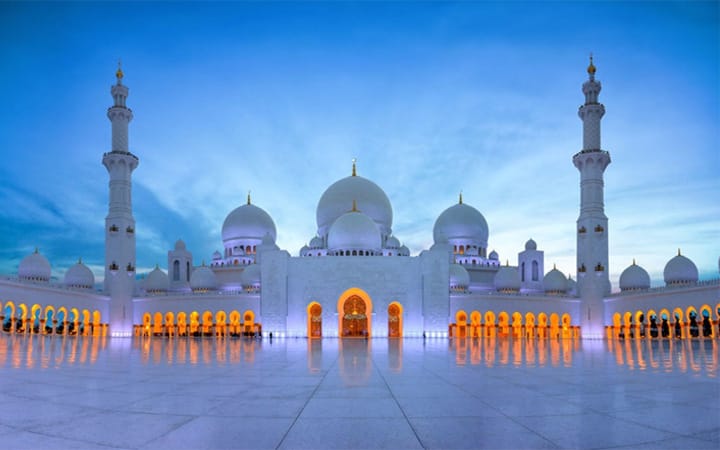
In the case of the UAE, the traditional heritage and modern buildings stand together. Religion is very much at the base of its cultural heritage and plays a massive part in the legislation and customs of that particular country. The UAE maintains its officially recognized and predominantly prevalent religion as Islam; however, its tolerant nature of religious and cultural beliefs makes it very receptive to housing millions of outsiders of various faiths and beliefs within the country. Learning about the Islamic traditions of the UAE can induce a lot of awareness regarding its unique lifestyle and its compatibility of diversity and heritage.
Quick review of the article’s key points:
- Islam is the main religion of the UAE and significantly affects the laws and culture of the country.
- The UAE is well-known for its religious tolerance, especially in relation to the foreign population.
- The Sharia laws are considered primary sources of legislation in matters of family and personal status.
- The majority of the Emiratis belong to Sunni Islam; Shia Muslims practice their rituals freely.
- Churches, temples, gurdwaras, and synagogues run with government authorization.
Overview of Religion in the UAE
Religion is one of the strongholds that define the United Arab Emirates. The official religion, Islamic, is an important state religion that ubiquitously pervades the politics and culture of the United Arab Emirates. Most government and societal programs are founded on Islamic ideals, with prayer sessions and giving of alms practiced to the latter. However, United Arab Emirates remains to be a religiously tolerant country due to the fact that the country gives freedom to Muslims as well as followers of other religions to conduct their worship sessions without any constrains.
Historical Background of Religion in the UAE
Tribal communities that practiced polytheism lived throughout the Arabian Peninsula, including the area that is now the United Arab Emirates, prior to the spread of Islam in the seventh century. Ancient tribes worshipped celestial bodies, natural forces, and idols. Additionally, there were traces of Judaism and Christianity from settlements and traveling merchants.
The region underwent significant change in the 7th century with the introduction of Islam. Islam swiftly emerged as the unifying factor, influencing law, government and UAE cultural customs and traditions Islam continues to be the mainstay of religious life in the United Arab Emirates.
Islam as the Official Religion
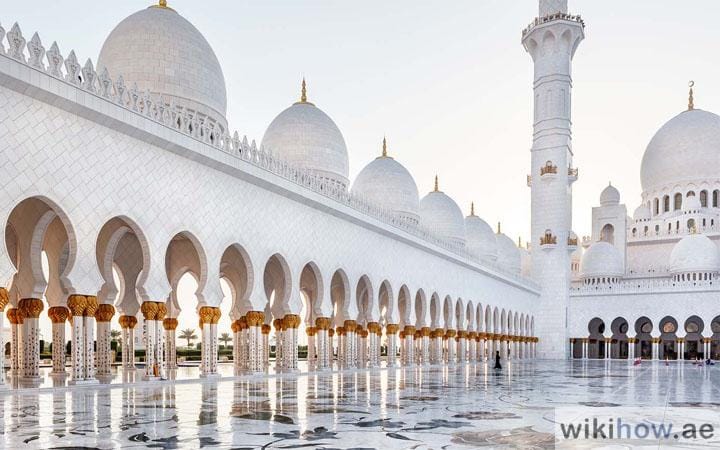
In addition to being the United Arab Emirates’ official religion, Islam serves as the foundation for its social, legal, and cultural structures. The nation’s way of life is guided by Islamic principles in everything from family customs to governmental policies. In addition to preserving a spirit of tolerance for other religions, the UAE makes sure that Islamic identity is upheld.
Role of Islam in UAE Law and Governance
Islam exerts a strong effect on the legal and political systems practiced in the UAE. In this case, the Sharia legal system exerts a strong effect on the legal systems practiced in the UAE. In this case, the Sharia legal system is the major source of legislation for family laws and the personal status of citizens among others. In the same context, the moral values in Islam exert a strong effect on the values adopted in leadership in the UAE. In this case, the values lie in issues concerning equity, social responsibility, and the well-being of society.
Practices of the Sunni Majority
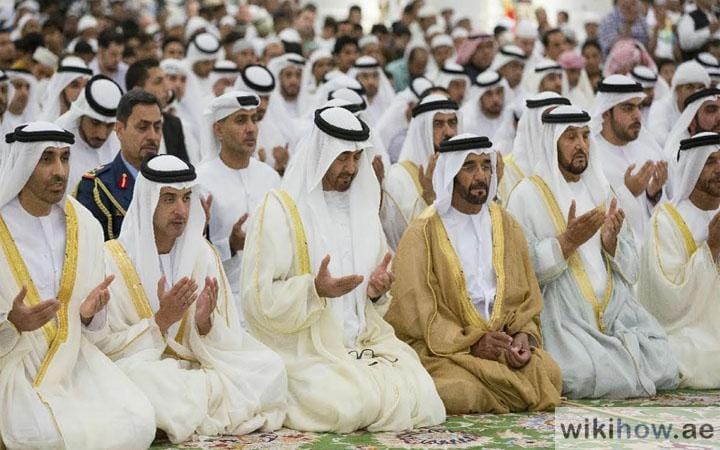
Sunni Islam, being the majority religion followed by Emiratis, influences many official and everyday traditions that take place within the country. Sunnis are deeply embracing of Friday congregations, daily prayers, as well as principles of zakat, where charitable giving takes place. Fridays are very important since mosques throughout the United Arab Emirates are usually filled with worshipers who come to hear sermons and participate in group worship. Such traditions improve community ties and strengthen personal faith as well.
Communities of Shia Muslims
While most of them are Sunni Muslims, the UAE does have a highly regarded Shia Muslim population, especially in Dubai and Sharjah. The Shia Muslims have their own set of religious practices. For example, Ashura celebrates the martyrdom of Imam Hussain. The Shia communities operating within the United Arab Emirates are allowed to practice freely; they have mosques and other premises for assembly, worship, and instruction. This attests to the fact that the UAE is committed to observing different Islamic traditions.
Religious Freedom and Tolerance in the UAE
Tolerance and religious freedom form some of the major parts of the general societal policies of the UAE. The UAE adopts religious tolerance in different social legislation, which shows flexibility in religious expression in a peaceful manner. It helps in ensuring that every aspect of religious values is embraced, alongside ensuring stronger societal harmony within set societal guidelines, like Dress Code in UAE for Tourists and Residents. The UAE’s ministry of tolerance also adopts coexistence in education and societal programs, which help in accommodating different societies in the UAE.
Other Religions Practiced in the UAE
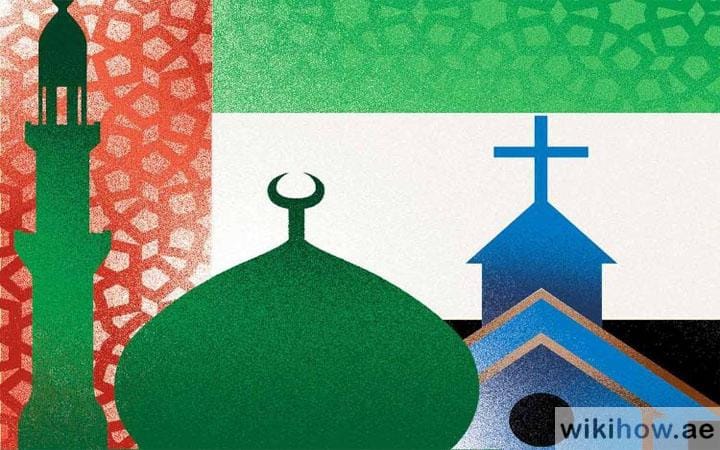
Despite being an Islamic state, religious tolerance in the UAE can be considered wide, given its large number of expatriates from various parts of the globe. From Asia, Europe, Africa, and various other regions, there are millions of people who belong to various beliefs. In catering to these groups, the UAE has done an extensive amount of work by providing an opportunity for these communities to practice their religions through particular worship sites. Indeed, it can be said that it has set an affirmative example worldwide for religious tolerance.
Christianity in the UAE
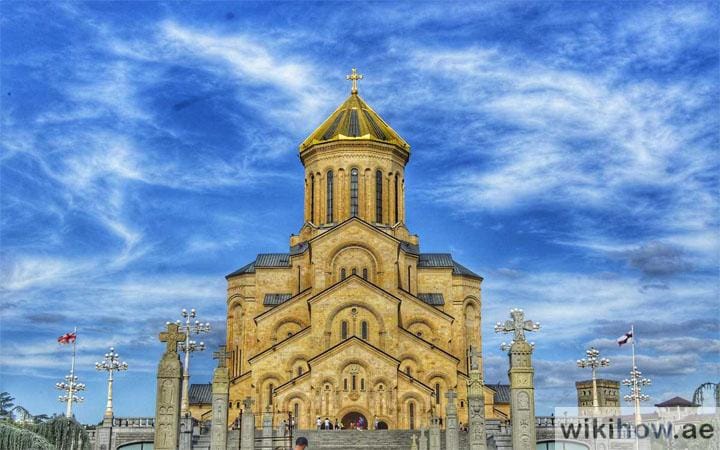
In the United Arab Emirates, a clear presence of Christian groups, especially in Dubai, Abu Dhabi, and Sharjah, exists because there are churches to accommodate foreign visitors around the world. In addition, the existence of Protestants, Catholics, and Orthodox groups in significant numbers who often attend church services and actively engage in social events also exists. Christmas and Easter festivals also occur continuously in the Christian community, where significant gatherings and performances happen. The existence of churches like St. Mary’s Catholic Church in Dubai and St. Joseph’s Cathedral in Abu Dhabi demonstrates the dedication of nations like United Arab Emirates to the Christian traditions and their efforts to erect churches.
Hinduism and Sikhism in the UAE
Hindu and Sikh communities are important to the religious landscape of the United Arab Emirates because of the country’s sizable South Asian population. Hindu temples in Dubai and Abu Dhabi are vibrant places of worship that hold important holidays like Diwali, which is marked by community meetings, cultural events, and light displays. Similar to this, Sikh gurdwaras offer community services like the traditional langar, a free communal meal that is open to people from all walks of life, in addition to places of worship. For the Sikh community in the United Arab Emirates, Baisakhi, which signifies the Sikh New Year, is a significant occasion that is frequently marked by prayers, processions, and cultural performances.
Buddhism and Other Minority Faiths
There are also smaller religious communities in the UAE, including Buddhist followers. There are also designated locations for these sections of the population. For instance, synagogues have been erected in the UAE as an example of the country’s commitment to interreligious harmony. This can be seen in the construction of the Abrahamic Family House in Abu Dhabi, which houses a synagogue, church, and mosque in close proximity to one another. Meditation rituals by the Buddhist population can also be seen in expatriate communities in the UAE.
UAE’s Islamic Festivals and Holidays
In the United Arab Emirates, religious holidays unite national identity, family, and faith. These festivities foster a sense of national cohesion by combining spiritual and cultural elements, much like the vibrant traditions seen in Cultural festivals in UAE.
Ramadan in UAE
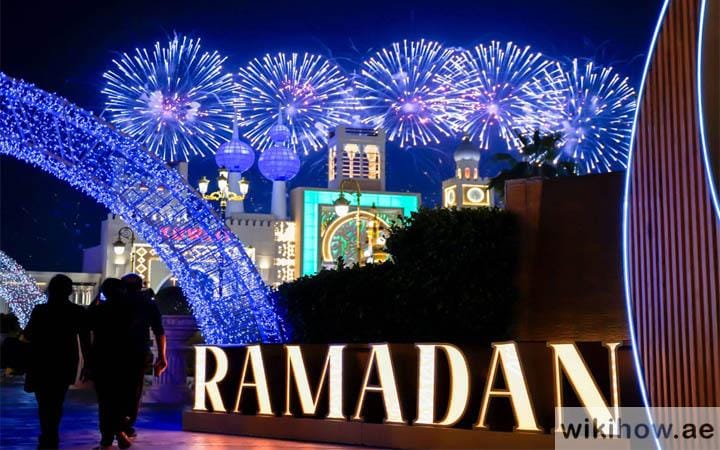
In many respects, Ramadan leads to a great influence on the UAE living experience because of the reduced working hours, a less noisy public setting, as well as food during iftar and suhoor times for families during this holy period of the year wherein many people enhance their activities in relation to donating and serving others through charitable activities and philanthropic contributions. In addition, for foreigners residing in the UAE, there are social norms that govern respecting those times wherein people observe fasting through abstaining from eating and drinking during daytime hours.
Eid al-Fitr and Eid al-Adha
Eid Fitr and Eid Adha are two Muslim celebrations that take place in the UAE, and these are officially recognized holidays within the state of the UAE. These two festivities are marked through family reunions, praying, eating, as well as donations. These two days, apart from Islamic practices, also play a important role within the United Arab Emirates as they promote love, kindness, and morals of togetherness among the Emirates.
Hajj and Umrah Pilgrimages
The Hajj pilgrimage to Mecca is regarded by many Emiratis as the pinnacle of their spiritual development. If financially and physically feasible, this journey should be taken at least once in a lifetime. It is extremely important for deepening one’s relationship with God. The UAE also promotes Umrah, a shorter pilgrimage that can be done at any time of year, for people who are unable to complete the Hajj. Many Emiratis travel each year to fulfill this holy obligation, and both trips are regarded as acts of devotion and faith renewal.
Daily Religious Practices in the UAE
Faith: A Pillar of Islam, prayer, charity, fasting, and pilgrimage stand at the root of religious practices in the UAE., A call to prayer that sounds five times a day in cities and villages across the UAE, reminding every Muslim of their devotion to worship, defines this spiritual pulse of this or any Islamic state. Many people attend congregational prayers in mosques that exist every now and then, while lots of others worship in or from their offices or homes, thus making sure that devotion stands at the root of every level of life.
Religion, Culture, and Social Etiquette in the UAE
In the UAE, religion is also linked to cultural practices and etiquette. Adherence to religious practices can be noted through dressing, talking, and behaving in social environments in general, particularly when it is a religious or Ramadan season. Foreigners should be mindful of cultural practices for it to be accepted that they value cultural exchanges. For Emiratis, practicing religion has an integral impact on lifestyle practices, families, and social interactions that boost social harmony for its culturally diverse population.
Religion and Expats Living in the UAE
Religious freedom for expats in the UAE is significant, and non-Muslims are not required to adopt Islamic customs in their private lives. They are free to practice their faith at officially recognized churches, temples, and other religious centers, as long as these activities operate within the UAE’s legal framework. While public religious expression is regulated to maintain social balance, this approach is designed to respect diversity and promote coexistence. In this context, understanding social norms such as the Dos and don’ts in UAE culture helps expats navigate daily life respectfully while enjoying freedom of belief within a clear and supportive legal environment.
Common Misconceptions About Religion in the UAE
There are a number of myths being perpetuated in relation to religion in the UAE that have been created out of misconceptions or stereotypes. The fact is that while Islam is the official religion of the UAE, there is a lot of diversity that is not being sufficiently accounted for.
- The UAE is religiously restrictive: The UAE actually embraces freedom of religion in an appropriate legal framework, especially with regard to expats.
- Religious diversity is not accepted: Churches, temples, and synagogues can be found in the UAE because of its multicultural communities.
- Religion only affects private life: religion also affects the culture, laws, and mannerisms of the people, and national events in the UAE.
Conclusion
Religious practices in the UAE represent a unique balance between strong Islamic traditions and a remarkable openness to other faiths. With customs like prayer, fasting and almsgiving ingrained in society, Islam influences a large portion of the nation’s culture, legislation and day-to-day activities. However, the government respects and supports the churches, temples, gurdwaras and synagogues that the UAE’s diverse population has brought with it. The UAE is a model of religious tolerance and coexistence in addition to being a land of faith because of its combination of devotion and inclusivity. We suggest going to WikiHow if you want to look up more thorough and useful information about the UAE, including its culture, religion, travel advice, and lifestyle guides. It provides the most comprehensive resources, thorough answers, and step-by-step instructions to help you better understand life in the UAE and beyond.
FAQs
1. What is the official religion of the UAE?
Islam is the official religion of the UAE, and it plays a central role in the nation’s laws, culture, and daily life. However, the country also recognizes and respects the practices of other religions.
2. Are non-Muslims allowed to practice their religion in the UAE?
Yes. The UAE guarantees freedom of worship for all residents as long as it does not conflict with public order or morality. Churches, temples, gurdwaras, and synagogues operate openly across the country.
3. How do Muslims in the UAE observe Ramadan?
During Ramadan, Muslims fast from dawn to sunset, dedicating time to prayer, reflection and charity. The month concludes with Eid al-Fitr, a festival celebrated with prayers, feasts and family gatherings.
4. How does Islam influence daily life in the UAE?
Islam shapes daily life through prayer times, public holidays, social values, and cultural practices such as Ramadan observance and charitable giving, while also influencing laws and social norms.
5. Are churches and temples legally allowed in the UAE?
Yes, churches and temples are legally permitted in the UAE and operate in designated areas with government approval, allowing non-Muslims to practice their faith freely.