UAE Wedding Traditions Explained: A Complete Guide to Emirati Marriage Customs
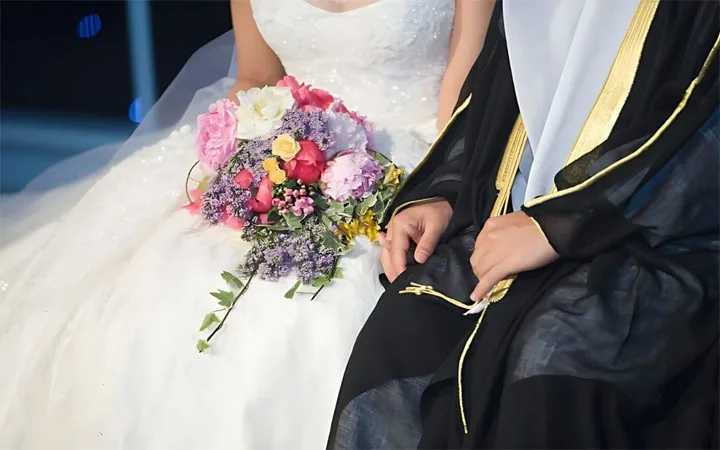
Marriage in the United Arab Emirates is not merely a contract between two individuals. It is an amazing expression of family, religion, heritage, and community. The UAE wedding culture is a rich combination of Bedouin traditions and Islamic principles, mixed with a touch of modern sophistication. Emirati weddings are vibrant, rich, and steeped in a deep respect for family bonds.
From the signing of the marriage contract to the lavish food and traditional dances, every aspect of the wedding is steeped in tradition. Even as modern weddings are conducted in luxury hotels or decorated banquet halls, the essence of the wedding remains rooted in tradition. Let us see how Emirati weddings strike a perfect balance between tradition and modern living.
The Cultural Importance of Marriage in the UAE
In Emirati culture, marriage is a very sacred and revered institution. In the context of UAE wedding culture, marriage is more than a mere union of two people it is the union of two families and, in many instances, two communities. The principles of honor, respect, and communal harmony are at the forefront of every step of the process, as is evident in the customs and traditions of UAE culture.
In the UAE, marriage is considered the cornerstone of a united society. It is a very important part of the preservation of cultural heritage and the reinforcement of religious and moral foundations that are based on Islamic principles. It is for this reason that marriage is not just a private affair but also a social occasion that brings people together.
Role of Family in Emirati Marriages
The role of family in Emirati marriages is one of the most significant factors in Emirati society. In traditional Emirati society, the selection of a suitable partner is done by parents and elders, depending on common values, reputation, education, and background. Even though modern couples choose their partners on their own, the approval of the family is of utmost significance.
The role of elders in the selection of a partner is significant in the following ways:
- Ensuring compatibility between families
- Maintaining cultural identity
- Establishing strong social ties
- Ensuring marital stability in the long run
The role of family does not end after the marriage; instead, it continues to provide support and assistance to the newlywed couple throughout their lives. In Emirati society, marriage is considered a joint responsibility, not a personal one.
Islamic Influence on Marriage Rituals
Islam is an essential element of wedding ceremonies in the UAE. The Nikah, or Islamic marriage contract, is a necessity for the marriage to be considered valid from the Islamic perspective and in compliance with the Marriage laws in UAE, which protect the rights of both parties involved in the marriage.
The essential components of the Nikah are as follows:
- Consent from both the bride and the groom
- Presence of witnesses
- Payment of dowry (Mahr) to the bride
- Completion of legal formalities
Islam teaches love, mercy, and mutual respect between the husband and wife. By providing proper spiritual and legal guidelines, Islam provides both moral and legal support to marriage in the UAE.
Traditional Pre-Wedding Rituals in the UAE
There are a number of significant pre-wedding rituals that occur before the wedding. These rituals help the couple prepare emotionally, spiritually, and socially.
Al Khutbah (The Proposal Ceremony)
Al Khutbah is the proposal ceremony. The groom’s family pays a visit to the bride’s family to propose the marriage. If the bride’s family accepts, prayers are offered, and sweets are exchanged to celebrate the occasion. This brings the family closer and is the start of the wedding preparations.
Al Akhd (The Marriage Contract Ceremony)
Al Akhd is the signing of the marriage contract. This can occur in a mosque, court, or at home. It is monitored by an Islamic cleric. The essential components are:
- Agreement on Mahr (dowry)
- Signing of legal documents
- Presence of male witnesses
- Religious blessings
After this ceremony, the couple is considered married according to Islamic law.
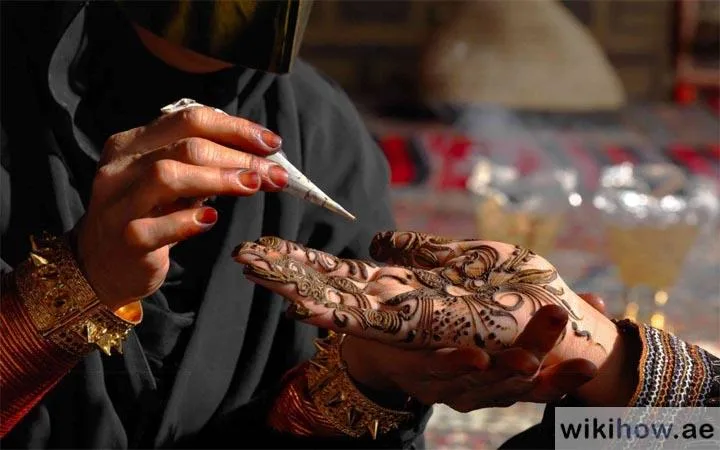
Henna Night (Laylat Al Henna)
The Henna Night is one of the most fun-filled events before the wedding. This ceremony is held one or two days before the wedding and is only for women. During this ceremony:
- The bride wears a green dress
- Henna designs are applied to her hands and feet
- Women sing traditional songs
- Gifts and perfumes are exchanged
Henna is a symbol of beauty, protection, and good luck.
The Wedding Day Ceremony in the UAE
The wedding day is the most eagerly awaited aspect of UAE wedding customs, and it is usually marked with great fanfare. Emirati weddings are famous for their sophistication, planning, and extensive guest lists that may include hundreds of family members, friends, and social acquaintances. These events are a manifestation of generosity, pride, and a profound sense of respect for heritage.
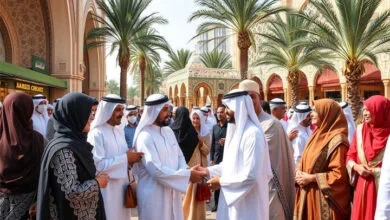
The wedding reception is usually held in separate halls for men and women. This is in keeping with the cultural and religious norms of the country, and it ensures that all guests feel comfortable and modest. Every event has its own distinct ambience, but both events have the same essence of happiness and hospitality.
The Women’s Wedding Celebration
The women’s hall is typically extravagant and decorated with flowers, crystal chandeliers, and fancy stage designs. As the women are the only ones in attendance (until the groom’s entry), guests are free to remove their abayas and don their most glamorous evening gowns, designer dresses, and fancy jewelry.
The celebration is vibrant and full of life. It typically features:
- Music sung by female vocalists
- Traditional dances with clapping
- Fashionable showcases of high-end gowns and gold jewelry
- A dramatic and emotional grand entrance of the bride
The bride is the focus of attention. She may be seated on a decorated stage called a “kosha,” where she greets guests and takes photos. Professional makeup artists and stylists are on hand to ensure she looks stunning all evening long.
When the groom arrives at the women’s hall, typically toward the end of the celebration, an announcement is made. In respect for tradition, the women quickly don their abayas and head coverings. The couple sits together for a brief congratulatory period before proceeding to private celebrations.
The Men’s Wedding Reception
The men’s reception is a place where hospitality and pride in culture are highly emphasized. Guests are greeted with Arabic coffee, known as Gahwa, and dates, which are signs of generosity and respect. Waiters move around the hall continuously to make sure all guests feel honored.
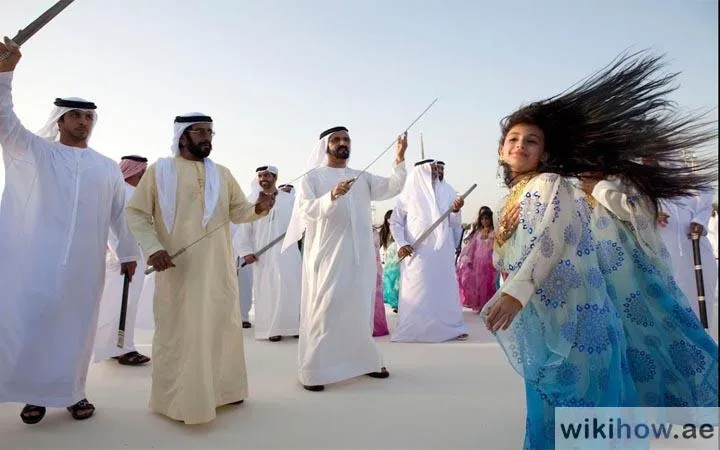
The environment is formal but lively. There are discussions, greetings, and blessings in the hall as families build social ties. One of the most significant aspects of the men’s reception is the Al Ayala dance, which is a traditional Emirati dance and has been recognized by UNESCO as an element of the region’s cultural heritage. In Al Ayala:
- Men line up in two rows facing each other
- They use thin bamboo sticks
- They dance in rhythm while reciting poetic verses
- Drums beat in a steady and strong rhythm
The dance represents unity, power, and pride. It bridges the past and present as it relates to the UAE’s Bedouin heritage.
Traditional Emirati Music and Dance
Music is a very important part of wedding celebrations in the UAE. Traditional music features drums (tabl) and tambourines, which are very energetic and encourage people to join in. The songs also have poetic lyrics that celebrate love, respect, courage, and the unity of the family.
Music and dance are not only entertainment but also a form of cultural expression. They help remind young people of their culture while giving older people the opportunity to share their traditions through music and dance. Even in today’s luxury hotels, traditional music and dance are a must at weddings. This is because they combine modernity with tradition in a perfect blend.
Traditional Emirati Wedding Cuisine and Hospitality
Hospitality is one of the most significant aspects of Emirati culture, and wedding celebrations are no exception, reflecting the values of generosity and respect. At the heart of UAE wedding culture is a feast prepared in celebration of all the guests. The wedding celebrations feature Traditional Emirati food, such as Machboos (spiced rice with meat), Harees (slow-cooked wheat and meat), roasted lamb, and a variety of fresh salads and Arabic sweets. The food is served in profuse quantities, symbolizing gratitude, prosperity, and happiness. Prior to the start of the main meal, the guests are always treated to Arabic coffee and dates, a tradition that symbolizes warmth, respect, and hospitality in Emirati culture.
Contemporary Trends in UAE Weddings
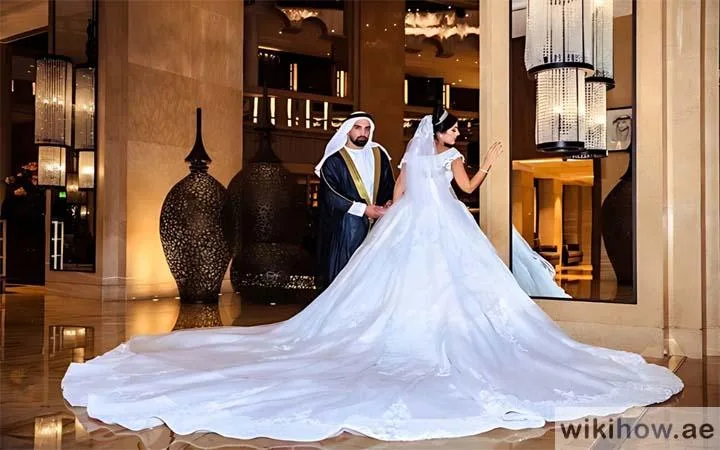
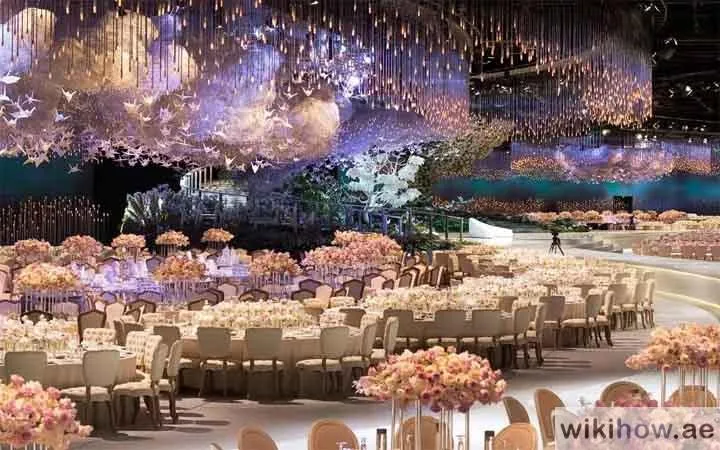
Although tradition is still the core of Emirati weddings, contemporary trends have ensured that weddings are now spectacular and luxurious affairs, particularly in urban centers such as Dubai and Abu Dhabi. It is not uncommon to see couples opting for five-star hotel venues, professional wedding planners, and customized lighting, stage design, and themed decor to make their weddings truly memorable.
Destination wedding packages and high-end fashion trends have also gained popularity, with some weddings costing millions of dirhams. However, the Nikah ceremony, family reunions, and traditions are still at the forefront of these weddings, ensuring that modern sophistication never overpowers the deeply rooted traditions of Emirati culture.
Conclusion
The UAE wedding traditions are a beautiful representation of the UAE’s reverence for family, religion, and culture. Right from the formal Nikah ceremony to the merrymaking henna night and then the lavish reception with music, dance, and hospitality, every moment has its own significance and meaning. Even though modernization has brought about high-end venues and modern designs, the spirit of the UAE wedding traditions remains the same unity, dignity, and celebration.
The UAE, through its wedding traditions that combine tradition and innovation, is successfully maintaining its identity while moving ahead in the future. These weddings are not mere celebrations; they are a symbol of love, heritage, and pride.
FAQs
1. Are the UAE wedding customs still practiced in contemporary weddings?
Yes, even if the contemporary wedding features high-end venues and contemporary designs, the traditional Nikah ceremony and the segregation of men and women during the wedding reception are still observed.
2. Why are men and women segregated during the wedding reception?
The segregation of men and women is based on cultural and Islamic traditions that emphasize modesty and comfort. Nevertheless, some contemporary families may opt for mixed receptions according to their preference.
3. Why is the Mahr important in Emirati weddings?
The Mahr is an obligatory gift that the groom must give to the bride as part of the Islamic marriage contract. The Mahr represents respect, accountability, and security for the bride.