How to Get Health Insurance in UAE 2026

One thing is certain, regardless of whether you’re a freelancer starting your own company, an expat starting a new job or a tourist planning a trip to the United Arab Emirates; health insurance is a must. Although the UAE is renowned for its top-notch medical facilities, using them can be very expensive if you don’t have the proper insurance. To guarantee that everyone has access to high-quality medical care, the UAE government has mandated health insurance in many emirates in recent years. However, finding health insurance in UAE can be difficult, particularly if you’re new to the nation, because there are so many insurance companies, plan types and legal requirements.
Everything you need to know is broken down in this extensive guide, from costs and legal requirements to selecting the best provider and plan for your requirements. This post will assist you in making wise choices and avoiding typical blunders, regardless of whether you’re a long-term resident or just visiting. Let’s examine how to use the UAE healthcare system while remaining safe, compliant and worry free.
Understanding Health Insurance in the UAE
In the United Arab Emirates (UAE), having health insurance is not only advised but also required by law in the majority of the emirates, particularly Dubai and Abu Dhabi. Getting the right health insurance plan is essential to staying safe and financially protected in the United Arab Emirates, which has a growing expat population, a variety of public and private healthcare providers and top-notch medical infrastructure.
The public and private sectors make up the healthcare system in the United Arab Emirates. While foreigners and visitors frequently use private hospitals and clinics, UAE citizens usually use government health services. Residents, employees and guests can obtain medical care without having to pay large out of pocket costs thanks to health insurance.
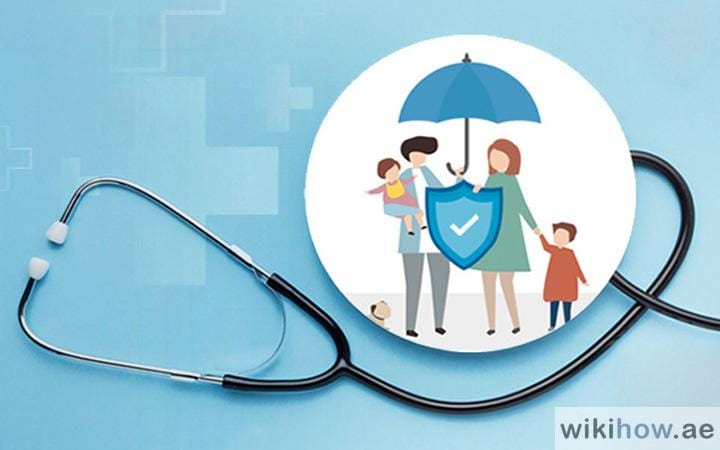
UAE Legal Requirements for Health Insurance
In the UAE, it is legally required to have health insurance. Every emirate has particular needs:
- Abu Dhabi: Employers are required by law to offer health insurance to their staff members and their families, which includes spouses and up to three children.
- Dubai: Employers are required to insure workers, but sponsors are required to insure dependents.
- Other Emirates: Although not required by law, it is highly advised for both financial and health security.
Fines, problems obtaining visas or the refusal of residency permits could follow noncompliance. In many emirates, the approval and renewal of visas are correlated with health insurance.
Types of Health Insurance Plans in the UAE
A wide range of health insurance in UAE plans are available to accommodate various lifestyles, income brackets, and medical requirements. There is a plan that suits your needs, regardless of whether you are a professional with a high salary, a low-income worker or a frequent traveler. The primary categories of health insurance plans that are offered throughout the Emirates are as follows:
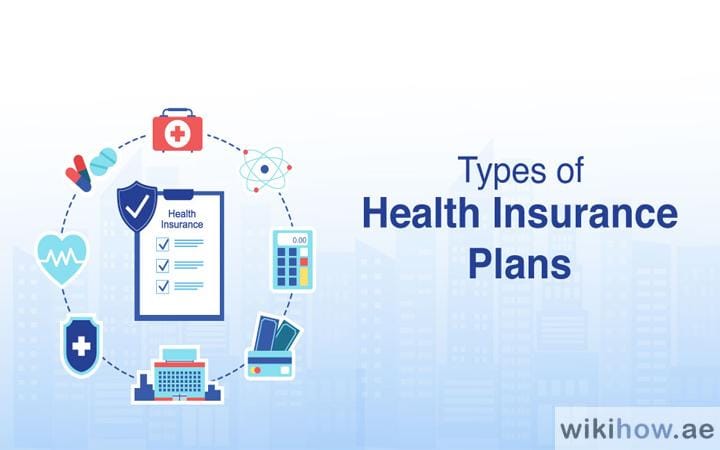
1. Basic Plan (Essential Benefits Plan, or EBP)
The government-mandated Essential Benefits Plan (EBP) is a low-cost insurance program for low-income workers, usually those making less than AED 4,000 per month. It is most frequently utilized in Dubai and Abu Dhabi, particularly for laborers, domestic helpers and lower-level employees.
Important attributes:
- Emergency medical attention at hospitals that have been designated
- General Practitioner (GP) consultations
- Essential drugs
- Inpatient treatment coverage is limited.
- Essential maternity care
- Access to a limited number of hospitals and clinics
EBP is not appropriate for people with chronic illnesses or families who require more comprehensive medical coverage, even though it guarantees legal compliance.
2. Comprehensive Health Insurance Plans
For employers, families and professionals seeking comprehensive medical coverage, comprehensive plans are the best choice. These plans offer improved health services, quicker service and access to a larger hospital network.
Coverage could consist of:
- Access to consultants and specialists without referrals
- Both inpatient and outpatient medical care
- sophisticated imaging and diagnostic procedures
- Dental and optical care
- Services for mental health
- Complete maternity and neonatal care
- Rehabilitation and physical therapy
- Nursing at home
- Immunizations and wellness initiatives
- Alternative medicine (upon request)
More peace of mind is provided by comprehensive plans, particularly for people who depend on upscale hospital services or private clinics.
3. International Health Insurance
For expats, global nomads and frequent travelers who need continuous healthcare coverage across borders, international health insurance is specifically made for them. Usually, international providers with global medical networks offer these policies.
Benefits frequently consist of:
- worldwide coverage, encompassing both the UAE and the nation of origin
- International access to medical facilities and specialists
- Direct billing across several nations
- Services for evacuation and repatriation
- Multilingual customer service
How Expats Can Get Health Insurance in UAE
Getting health insurance for foreigners residing in the United Arab Emirates is mostly dependent on their work status and sponsoring visa. Employers are required by law to offer health insurance to their staff in major emirates such as Dubai and Abu Dhabi. As part of your benefits package, your employer should provide coverage if you are employed; make sure to ask for a valid health insurance card and a thorough explanation of your policy’s coverage. However, you will have to buy your own health insurance plan if you work for yourself or as a freelancer.
Thankfully, a large number of UAE-based insurers provide specialized plans made especially for independent contractors and small business owners. Furthermore, it is the duty of expat sponsors to secure insurance for their dependents, including spouses, kids and even parents. This is required by law in Dubai and not insuring dependents may result in penalties or issues with visas. All expats must have adequate health insurance, whether from a private insurer or their employer, in order to access medical care and stay in compliance with UAE law.
Health Insurance for Tourists and Short-Term Visitors
Having health insurance is required for visa approval if you are a tourist or short-term visitor to the United Arab Emirates. Basic medical needs, emergencies, and potential COVID-19 treatment should all be covered by your policy. Depending on the coverage and length of the trip, travel insurance plans start at AED 40 and can be purchased through airlines, agents or online platforms. This guarantees your protection while visiting as well as adherence to the law. If you’re planning to seek treatment at one of the best hospitals in Dubai, having valid health coverage ensures smoother access to top tier medical care.
How to get health insurance in UAE
This is a straightforward, step-by-step guide to purchasing health insurance in the United Arab Emirates:
- Determine your needs: Assess whether you require international, family or individual coverage.
- Compare providers: Contact insurers directly or use websites that compare insurance, such as Policybazaar UAE.
- Collect the following documents: a copy of your passport, a page from your visa, your Emirates ID (or application) and your pay stub.
- Request quotes: Obtain estimates from several brokers or suppliers.
- Select plan: Make sure the plan you choose fits your budget, hospital network preferences and medical needs.
- Pay: The majority of plans allow for either yearly or installment payments.
- Obtain a physical card or an eCard: this will serve as your insurance documentation.
Common Mistakes to Avoid When Buying Health Insurance
It’s simple to become overwhelmed by the range of plans and providers available when purchasing health insurance in the United Arab Emirates. Rushing the process or making a decision only on the basis of price, however, may result in unforeseen expenses and inadequate coverage. Make sure to steer clear of these typical blunders in order to make an informed and wise choice:
- Selecting the least expensive plan without verifying the coverage details
- Hospital networks are disregarded, resulting in out-of-network expenses.
- Ignoring exclusions
- Not disclosing pre-existing conditions
- Ignoring yearly renewals
Conclusion
Securing health insurance in the UAE isn’t just a smart decision, it’s the law. Whether you’re a tourist, citizen or expat, having the proper coverage guarantees peace of mind, enhances your healthcare experience and protects your finances. Know your rights, always compare plans and pick a provider that meets your needs.
Visit wikiHow for more recent information on living in the United Arab Emirates, including travel advice, visa regulations and updates on healthcare and the law. With trustworthy, dependable advice at your fingertips, you can stay informed, stay compliant and make the most of your time in the Emirates.
FAQs
1. Is health insurance mandatory for all residents in UAE?
Yes, especially in Dubai and Abu Dhabi. It’s linked to visa renewal.
2. Can I buy insurance for my parents in UAE?
Yes. You must sponsor them and buy separate insurance.
3. Do tourists need health insurance for UAE?
Yes, it’s required for visa approval and recommended for medical emergencies.