Powerful Cultural Landmarks in Sharjah That Reveal the Soul of the UAE
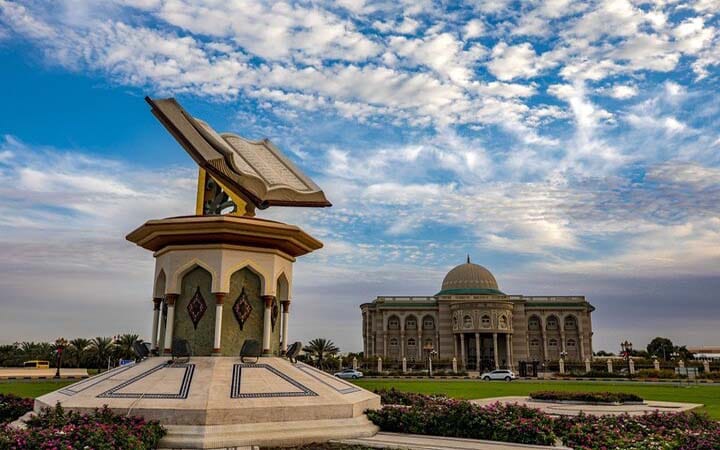
When it comes to culture, tradition, and art, the Cultural landmarks in Sharjah are among the best in the Middle East. Sharjah, one of the seven emirates of the United Arab Emirates, has been awarded the title of cultural capital of the United Arab Emirates. While the neighboring emirate of Dubai is famous for its record-breaking skyscrapers, Sharjah is dedicated to its heritage and the dissemination of knowledge.
Whether you are an avid historian, an art enthusiast, or just a curious traveler, Sharjah has something special to offer you. With its majestic mosques and beautifully restored forts, museums, and heritage sites, Sharjah offers a cultural experience that is both rich and rewarding.
Why Sharjah Is Known as the Cultural Capital of the UAE
Sharjah is also referred to as the Cultural Capital of the UAE, as it has always emphasized its cultural side rather than just being a commercial hub. Although many individuals who are looking for the Best places to live in UAE take into consideration lifestyle, education, and values, Sharjah is one of the few places that have a strong sense of culture and intellect.
The region has managed to retain its cultural heritage by revamping old neighborhoods, retaining traditional architecture, and setting up over 20 museums that highlight Islamic history, archaeology, science, and modern art. Its status as the Cultural Capital of the Arab World and the World Book Capital, recognized by UNESCO, is a testament to its passion for books and knowledge. Sharjah has managed to strike the best possible balance between tradition and modernization.
Cultural landmarks in Sharjah
Cultural landmarks in Sharjah are a reflection of the history, traditions, and artistic culture of the emirate. Whether it is a restored cultural district, a museum, or a mosque, these landmarks show the commitment of Sharjah to its culture and identity. Every cultural landmark has its own story to tell about the history of the region and its evolution into a cultural capital in the Middle East. In the following sections, we will discuss them in detail.
Sharjah Museum of Islamic Civilization
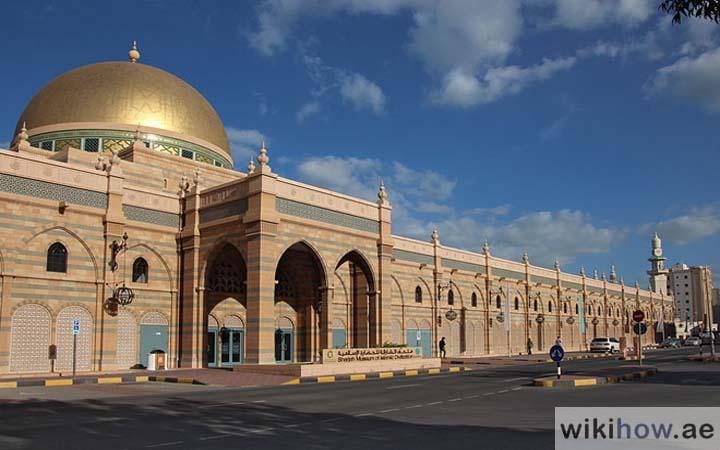
Sharjah Museum of Islamic Civilization is one of the most significant Cultural Landmarks in Sharjah, as it gives visitors a deep insight into the rich heritage of the Islamic civilization. Located along the waterfront of Al Majarrah, the museum can easily be spotted by its distinctive golden dome, which has become a landmark of the city.
Inside the museum, visitors can take a tour of the well-organized galleries that display Islamic art, scientific achievements, and beautiful calligraphy that date back to over 1,400 years of Islamic history. The museum also houses precious Qur’anic manuscripts, ancient scientific instruments, beautiful ceramics, and historical artifacts that symbolize the innovation, faith, and spread of the Islamic Golden Age.
Al Noor Mosque
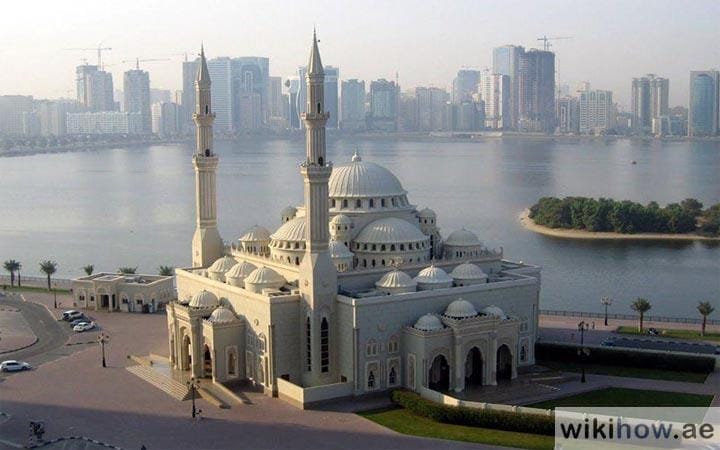
Al Noor Mosque is a religious and architectural landmark in Sharjah, beautifully situated along the sides of Khalid Lagoon. The mosque is designed with elegant domes and minarets that resemble the classic Ottoman style of architecture. The white marble exterior of the mosque is a sight to behold, especially during sunset when it shines against the backdrop of the evening sky. Apart from its aesthetic value, Al Noor Mosque also has significant cultural importance as it allows non-Muslims to visit the mosque through guided tours conducted by the Sharjah Center for Cultural Communication. Such tours are a great source of information about Religious practices in UAE.
Sharjah Art Museum
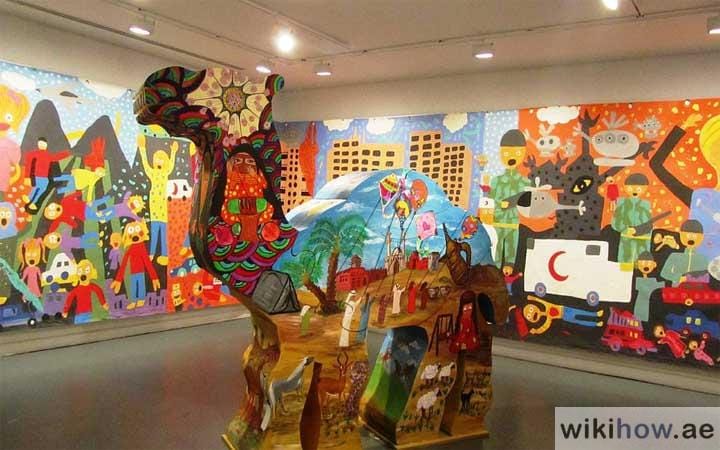
The Sharjah Art Museum is a true gem that art lovers should not miss when they are in the emirate. The museum has an impressive collection of modern and classical Arab art, including works by local artists as well as carefully selected international exhibitions. By means of the various galleries at the museum, art lovers can delve into the powerful themes of identity, tradition, cultural heritage, and transformation, which are all important elements in the overall UAE art and design landscape. Apart from the permanent galleries, the museum also hosts international art events and exhibitions, which bring talented artists from across the globe to the emirate, further cementing Sharjah’s status as a prominent art and design destination in the region.
Heart of Sharjah: Restoring the Historic District
The Heart of Sharjah is one of the most ambitious heritage projects in the region, and its aim is to preserve the historical identity of the emirate. A walk through this restored part of the city is like a walk through history, where one can experience the traditional souqs, courtyards, wind towers, and coral stone houses that are typical of Gulf architecture in the 19th century. Rather than just leaving these historical buildings to crumble and be left to ruin, they have been converted into boutique hotels, art galleries, cafes, and museums.
Al Hisn Fort (Sharjah Fort)
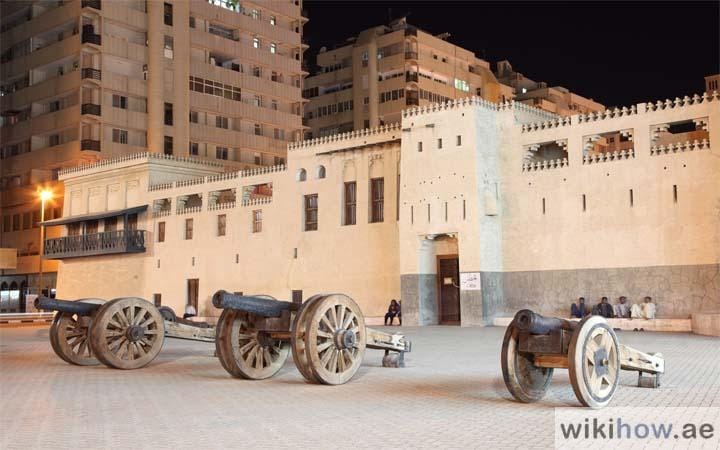
Al Hisn Fort, also referred to as Sharjah Fort, is one of the most important historical attractions in the emirate, giving information about the history and rulers of the emirate. The fort was built in 1823 as the residence of the ruling family of Sharjah.
However, it has been renovated and turned into a museum that gives information about the history of Sharjah. The museum gives information about the history of Sharjah through exhibits that contain historical weapons, documents, photographs, and personal effects that give information about the military strength, governance, and leadership experiences that have contributed to the history of Sharjah.
Sharjah Heritage Museum
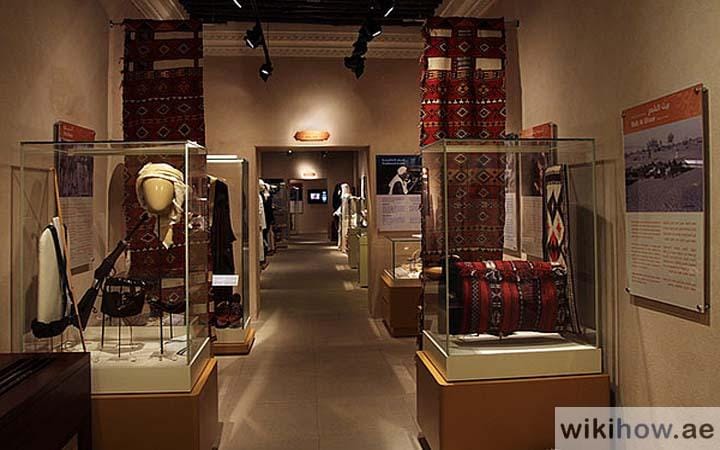
The Sharjah Heritage Museum is a great place for visitors to learn about the traditions and folklores of Emirati culture. The museum explores different facets of Emirati life, such as traditional attire, wedding ceremonies, life in the desert, and the traditional pearl diving industry that was common in the region. The museum gives visitors a rare opportunity to learn about the values of society in a well-organized manner. In addition, visitors can also take advantage of cultural workshops that give them a chance to learn about the traditions of Emirati culture in an interesting and engaging way.
Sharjah Archaeology Museum
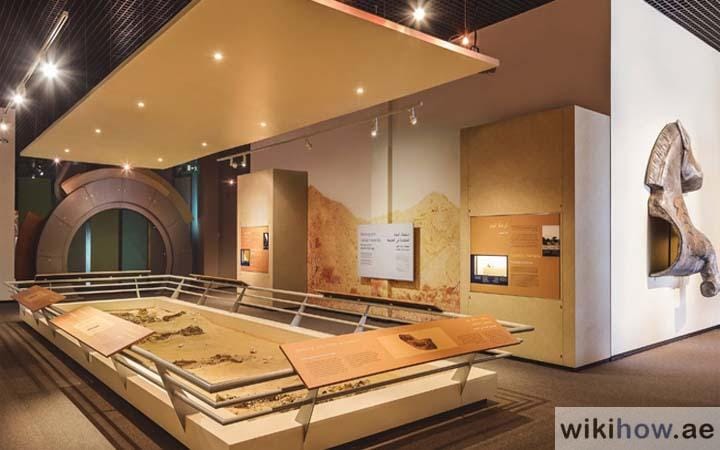
The Sharjah Archaeology Museum is a great location for a trip back in time, with artifacts ranging from over 125,000 years ago, and proof of human existence in the area. The Sharjah Archaeology Museum also houses a vast collection of artifacts from the Bronze and Iron Ages, including ceramics, tools, weapons, and jewelry, which showcase the high level of craftsmanship and the existence of trade routes between Sharjah and other civilizations.
The Role of Education and Literature in Sharjah’s Culture
The role of education and literature in the culture of Sharjah is both basic and revolutionary, as it assists in shaping the identity of the emirate as a knowledge and learning center. Sharjah is passionate about academic excellence through its universities, public libraries, research centers, and cultural institutions that assist in facilitating learning at all levels. Massive literacy programs, reading campaigns, and international events such as book fairs also underscore its commitment to education and its passion for reading among its citizens and visitors. This never-ending quest for knowledge assists in the creation of an informed, innovative, and educated society.
Best Time to Visit Cultural Landmarks in Sharjah
The best season to explore Cultural landmarks in Sharjah is from October to April, when the weather is pleasant and much more preferable for exploring the outdoors. The climate is quite pleasant during this time, making it the perfect time to explore the cultural landmarks of Sharjah, which include walking tours of historic areas, exploring outdoor heritage sites, and enjoying the waterfront activities. This is also the time when most cultural festivals and events are organized in Sharjah.
Travel Tips for Visiting Sharjah’s Cultural Landmarks
To make your visit to the cultural destinations of Sharjah a fruitful one, the following travel tips can be remembered:
- Dress modestly and appropriately: It is important to dress in a way that covers your shoulders and knees, especially while visiting mosques and cultural sites. Women are also expected to wear a headscarf while entering some religious sites.
- Visit museums in the morning: This is the best time to visit museums, as there are likely to be fewer people, allowing you to comfortably explore the museum and take photographs.
- Use taxis or public transport: Sharjah has sufficient taxi services, and you can use them to save time and parking problems, especially while visiting crowded cultural sites.
- Spend at least two days: With more than 20 museums and cultural neighborhoods, you will need sufficient time to appreciate the major cultural sites.
- Check the timings in advance: Some cultural sites might close down for a short while in the afternoon or work for reduced timings during religious festivals.
Conclusion
Cultural landmarks in Sharjah offer a rich experience in terms of history, art, religion, and culture. Ranging from the majestic mosques and restored forts to the internationally acclaimed museums and literary festivals, Sharjah has managed to create a cultural environment that celebrates knowledge and heritage. This is what has made it the true cultural capital of the United Arab Emirates. Whether you are a history enthusiast, an art lover, or a curious traveler, the cultural landmarks in Sharjah offer a rich experience that connects the past with the present.
FAQs
1. Why are Cultural landmarks in Sharjah important?
Cultural landmarks in Sharjah are important because they help to preserve the history and culture of the emirate. They also help to preserve the identity of the UAE and promote education, tolerance, and understanding.
2. How many museums can visitors explore in Sharjah?
Sharjah has more than 20 museums that showcase Islamic civilization, archaeology, science, marine life, heritage, and contemporary art. This makes Sharjah one of the most culturally rich destinations in the region.
3. Are Cultural landmarks in Sharjah suitable for families?
Yes, most of the cultural landmarks in Sharjah are family-friendly and provide interactive exhibits and workshops for children and adults.